Pleasanton, California: Comfortable Living in the Heart of the Tri-Valley
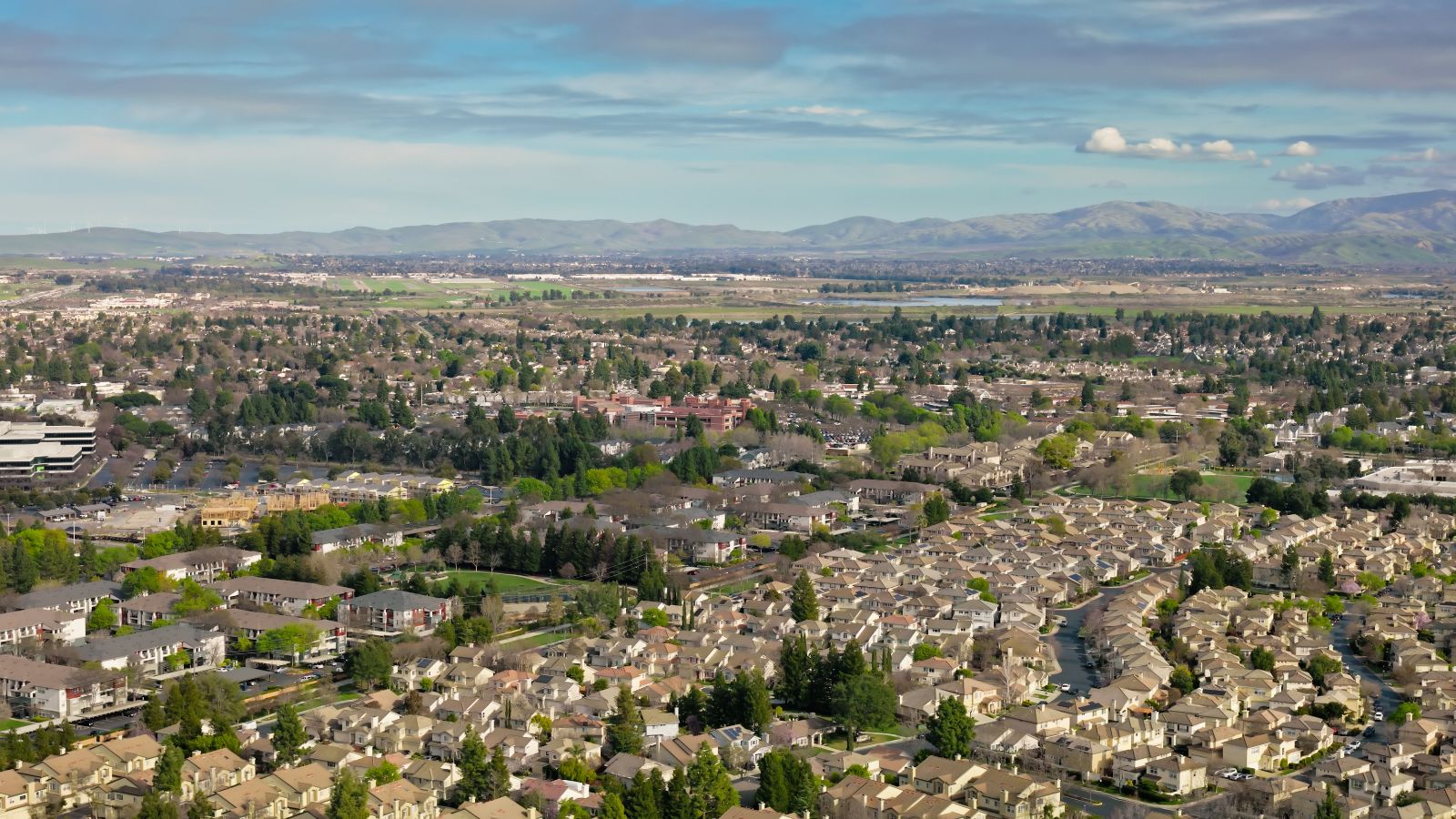
Pleasanton, California, is a well-established city in the Tri-Valley region of Alameda County that blends long-term stability with everyday livability. Known for its welcoming neighborhoods, active downtown, and well-maintained public spaces, Pleasanton offers an environment where residents can settle in with confidence. The city reflects decades of careful planning, resulting in a layout that feels intentional rather than rushed. Tree-lined streets, neighborhood parks, and a visible sense of civic pride contribute to a setting that supports both connection and privacy. Pleasanton’s location places it within reach of major employment centers while preserving a residential atmosphere that remains consistent across generations. People are drawn to Pleasanton for its balance, offering structure, comfort, and a pace of life that feels sustainable over time.
A Legacy of Agriculture, Planning, and Growth
Pleasanton‘s history is rooted in California’s early agricultural development and shaped by steady, intentional growth. The area was originally known as Alisal and developed in the mid-1800s as a farming and ranching community. Fertile land and a favorable climate supported cattle ranching, grain production, and trade, allowing the settlement to establish economic stability early on. The city was later renamed Pleasanton, marking a shift toward a more structured civic identity and long-term permanence.
The arrival of the railroad in the late nineteenth century significantly influenced Pleasanton’s growth. Improved transportation allowed goods and people to move efficiently through the region, strengthening the local economy and encouraging residential settlement near the town center. Schools, churches, and public buildings soon followed, reinforcing Pleasanton’s role as a self-sustaining community rather than a temporary stop along trade routes.
For much of the early twentieth century, Pleasanton remained modest in size. This measured pace allowed infrastructure and services to develop alongside population growth. As the Bay Area expanded after World War II, Pleasanton transitioned into a suburban city while maintaining a strong emphasis on land-use planning. Residential neighborhoods, commercial areas, and open spaces were designed to complement one another. Today, Pleasanton reflects this layered history, offering a city shaped by agriculture, connectivity, and long-term vision rather than rapid expansion.
Homes for Sale
Daily Life Defined by Balance and Belonging
A balance between activity and ease defines life in Pleasanton. Residents enjoy access to shopping, dining, recreation, and employment without the constant congestion often associated with larger urban centers. Downtown Pleasanton serves as a social anchor, offering locally owned restaurants, cafés, boutiques, and a steady calendar of community events. Seasonal festivals, street fairs, and farmers’ markets create opportunities for connection throughout the year.
Outdoor living plays a central role in daily routines. Pleasanton maintains an extensive system of parks, greenbelts, and trails that support walking, cycling, organized sports, and relaxation. Neighborhood parks provide playgrounds, open lawns, and picnic spaces, while nearby regional preserves offer hiking trails and scenic views of the surrounding hills. These spaces are integrated into everyday life rather than treated as occasional destinations.
Community involvement is also highly visible. Residents participate in school activities, volunteer organizations, youth sports, and civic programs that support arts, education, and recreation. This level of engagement creates familiarity across neighborhoods and generations. Whether enjoying a weekend downtown, attending a school event, or spending time outdoors, daily life in Pleasanton feels steady, connected, and thoughtfully supported.
Neighborhoods That Offer Consistency and Choice
Pleasanton’s neighborhoods reflect decades of thoughtful planning, offering residential environments that feel established, cohesive, and well-maintained. Rather than sharp contrasts from one area to the next, the city’s neighborhoods share a consistent standard of livability while still providing distinct settings, housing styles, and daily experiences. From walkable downtown living to quieter residential enclaves, Pleasanton supports different lifestyles without sacrificing access, comfort, or a strong sense of community.
Downtown Pleasanton: Downtown Pleasanton offers a highly walkable residential experience centered around the city’s historic core. Homes in this area include preserved Victorian-era properties, renovated cottages, and newer townhomes designed to blend into the surrounding streetscape. Residents value the ability to reach restaurants, coffee shops, boutiques, and community events on foot, creating a lifestyle that feels connected and convenient. The area hosts regular street fairs, seasonal celebrations, and local markets that bring neighbors together year-round. Tree-lined streets and well-maintained sidewalks enhance the neighborhood’s welcoming feel. Living downtown appeals to those who enjoy daily interaction, local culture, and a setting where Pleasanton’s character is most visible.
Ruby Hill: Ruby Hill is known for its established atmosphere, larger homes, and landscaped surroundings that create a more private residential environment. Many properties are set on generous lots and feature architectural styles that emphasize space and comfort. Streets are designed to feel calm and orderly, supporting a quiet setting removed from busier commercial areas. Residents appreciate the sense of separation while remaining close to shopping, dining, and major roadways. The neighborhood’s visual consistency and careful upkeep reflect long-term ownership and community pride. Ruby Hill appeals to those seeking a residential experience that feels settled and intentionally refined.
Vintage Hills: Vintage Hills is characterized by rolling terrain, mature landscaping, and a mix of home styles that give the neighborhood a distinct identity. Elevated areas provide scenic views and a sense of openness that sets the neighborhood apart. Homes range from mid-century designs to updated residences that reflect changing preferences over time. Proximity to parks, schools, and recreational facilities supports everyday convenience while maintaining a residential feel. Streets are commonly used for walking and casual outdoor activity, reinforcing neighborhood familiarity. Vintage Hills appeals to residents who value established greenery, visual character, and a strong sense of place.
Val Vista: Val Vista offers a centrally located residential environment defined by traditional neighborhood design and consistent upkeep. Homes are arranged along orderly streets that provide easy access to schools, shopping centers, and major routes through Pleasanton. The neighborhood feels familiar and functional, supporting a wide range of household needs without feeling transitional. Many properties feature maintained yards and established landscaping, contributing to long-term stability. Residents value Val Vista’s balance of location and livability, as it allows for efficient movement throughout the city while maintaining a clearly residential atmosphere.
Stoneridge: Stoneridge combines residential living with close proximity to retail, dining, and transportation corridors, making it one of Pleasanton’s most convenient neighborhoods. Housing options include townhomes, condominiums, and single-family residences, offering flexibility at different life stages. Despite its closeness to shopping centers and major roadways, the neighborhood maintains defined residential boundaries that preserve comfort and privacy. Walkability to nearby amenities is a key advantage, reducing the need for frequent driving. Stoneridge appeals to residents who value efficiency, accessibility, and a well-organized home environment.
Together, Pleasanton’s neighborhoods form a city that feels cohesive rather than segmented. Each area offers its own advantages while sharing a foundation of planning, maintenance, and community pride that defines Pleasanton as a whole.
Education as a Cornerstone of the Community
Education is a central part of Pleasanton’s identity, supported by strong public schools and access to higher education. The Pleasanton Unified School District serves the city, focusing on academic performance, structured learning environments, and community involvement. Schools across all grade levels offer comprehensive programs that include core academics, arts, athletics, and extracurricular activities.
Elementary and middle schools emphasize foundational skills and student engagement, while high schools offer advanced coursework, college-preparation programs, and career-focused opportunities. Parent involvement and community partnerships play an important role in supporting educational outcomes, reinforcing the connection between schools and the broader community.
Private education options add further choice for families seeking alternative approaches or smaller learning environments. These schools serve a range of grade levels and educational philosophies, offering flexibility to meet individual preferences.
Higher education is readily accessible from Pleasanton. Community colleges, universities, and professional institutions throughout the Tri-Valley and greater Bay Area allow residents to pursue continuing education without relocating. This accessibility supports lifelong learning and reinforces Pleasanton’s reputation as a city that values preparation, opportunity, and long-term growth.
A Climate That Encourages Outdoor Living
Pleasanton’s Mediterranean-style climate plays a significant role in shaping daily life. The city averages approximately 260 sunny days per year, with about 16 inches of annual rainfall and no measurable snowfall. Summers are warm and dry, with daytime temperatures commonly reaching the mid to upper 80s. Low humidity keeps outdoor activities comfortable, and evenings typically cool down enough for time spent outside.
Autumn brings mild temperatures and clear skies. Daytime highs generally range from the 70s to the low 80s, creating favorable conditions for community events, outdoor dining, and recreation. Winter remains moderate, with daytime temperatures often in the 50s and 60s. Rainfall during this season supports landscaping and open spaces without prolonged disruption.
Spring arrives gradually, bringing blooming trees, refreshed greenery, and temperatures ranging from the 60s into the 70s. Parks and trails become especially active during this season. Pleasanton’s predictable weather supports year-round outdoor use and contributes to a lifestyle that feels consistent and accessible.
Transportation and Regional Connectivity
Pleasanton offers a strong transportation infrastructure that supports both local travel and regional commuting. Interstate 580 and Interstate 680 provide direct access to surrounding cities and employment centers throughout the Bay Area. These routes allow residents to commute efficiently while returning home to a more residential setting.
Public transportation includes BART service at the Dublin Pleasanton station, offering rail access to Oakland, San Francisco, and other major destinations. Local bus services further support mobility within the Tri-Valley, making daily errands and commuting more manageable.
The city also emphasizes walkability and cycling, with sidewalks, trails, and designated bike routes integrated into neighborhood planning. These features encourage short trips without a vehicle and promote active transportation.
Oakland International Airport and San Jose International Airport are both within reasonable driving distance, offering domestic and international travel options. Pleasanton’s transportation network reinforces its role as a connected city that maintains residential comfort.
A Place to Put Down Roots
Pleasanton stands out as a city shaped by intention, stability, and community involvement. Its neighborhoods, schools, climate, and transportation systems work together to support a balanced way of life. The city’s steady growth and long-term planning have created an environment where residents can settle in with confidence and remain connected over time. Pleasanton continues to appeal to those seeking comfort, structure, and a strong sense of place within the Tri-Valley. When you are ready to explore homes or learn more about living in Pleasanton, reach out to me to take the next step.